Preview

Antibiot Khimioter = Antibiotics and Chemotherapy

Advanced search

The scientific peer-reviewed medical journal Antibiotics and Chemotherapy has been published since 1956. The journal publishes works on the research and development of new antibiotics, the results of experimental and clinical studies; discusses the latest trends in antibiotic prophylaxis and therapy of bacterial and viral infections; new regimens; standards for the use of antibiotics and synthetic chemotherapeutic agents; antibacterial formulations for practical healthcare facilities; information is published on congresses, conferences, and symposia held in Russia and abroad on the problems of antibiotics and chemotherapy; schools for doctors in microbiological diagnosis and antibiotic therapy of infections, clinical pharmacology of antibiotics. The journal publishes information about new books and monographs, gives reviews, publishes abstracts of articles from foreign journals written over the past 3 years on topics closely related to the journal’s theme.

The journal is included in the Unified State List of Scientific Publications (USLPS/White List) of the Higher Attestation Commission (HAC), which is required to publish the main scientific results of dissertations for candidate and doctoral degrees. The USLPS list was also created to evaluate the results of research projects, which are taken into account when assessing the performance of scientific and educational institutions of higher education, research staff, and faculty.

The journal is registered with the Russian Federation Committee on Press, registration certificate No. 0110694 dated May 25, 1993.

Current issue

Vol 71, No 5-6 (2026)
View or download the full issue

EXPERIMENTAL RESEARCH

5-12 339
Abstract

Background. Treatment of infectious, tumor, and cardiovascular diseases remains the most important task of modern medicine. The search for biologically active secondary metabolites allows us to detect natural compounds that can serve as the basis for the development of fundamentally new drugs. The use of original search methods and the involvement of new groups of organisms, including basidiomycetes, can significantly increase the efficiency of screening work and, ultimately, lead to the development of new, more effective drugs.

The aim of the work was to reveal the ability of Basidiomycetes to produce sterol biosynthesis inhibitors (SBIs) and metabolites with antimicrobial properties.

Material and methods. Basidiomycetes were grown using the submerged cultivation method. Biologically active compounds were obtained by extraction with ethyl acetate from the culture broth and with ethanol from the mycelium of the producers. The antibacterial and antifungal activity of the extracts with determination of the minimum inhibitory concentration was assessed using the serial dilution method in liquid media, as well as the agar diffusion assay. To detect SBIs, a test system with Halobacterium salinarum microbial culture, which possesses the mevalonate pathway of sterol biosynthesis, was used.

Results. Basidiomycete strains belonging to the species Cyclocybe cylindracea, Hericium erinaceus, Stropharia rugosoannulata and Hypsizygus ulmarius grown by submerged cultivation showed antibacterial and antifungal activity. In the microbial system of H. salinarum, the studied strains of C. cylindracea, S. rugosoannulata and H. ulmarius showed themselves as possible producers of SBIs. The strains C. cylindracea and H. ulmarius revealed the ability to form inhibitors of the early stages of sterol biosynthesis before the mevalonate formation.

Conclusion. Among the 4 studied basidiomycete strains, 3 strains — C. cylindracea, S. rugosoannulata, and H. ulmarius — were identified as potential producers of SBIs. C. cylindracea and H. ulmarius strains demonstrated the ability to produce inhibitors of the early stages of sterol biosynthesis.

13-24 392
Abstract

Background. Klebsiella pneumoniae is a clinically significant pathogen associated with a broad spectrum of infectious diseases, characterized by genetic diversity and the formation of successful clones.

The aim of the study was to analyze the molecular genetic characteristics of clinical K. pneumoniae strains (n = 35) isolated from the lower respiratory tract, blood, and urine of patients in Moscow, Vologda, and Yakutsk in 2021–2023 and deposited in the collection of the State Clinical Hospital «Obolensk».

Material and methods. Bacteria were identified using a MALDI-TOF Biotyper (Bruker, Germany), and antimicrobial susceptibility was determined using a Vitek 2 Compact (BioMireux, France) and serial dilution in broth. Antibiotic resistance and virulence genes (rmpA, iroN, iroD, uge, wabG, kfu, fimH, allS, and allR) were detected via PCR. Whole genome analysis (GenoLab M) was performed using BLAST, PubMLST, and other methods.

Results. Strains were isolated from neurosurgical and COVID-19 patients in Moscow. The ST512 (KL37/107) and ST395 (KL2/39) genetic lineages were predominant, with ST874 (KL45), ST147 (KL64), ST336 (KL25), ST11 (KL27), and ST1773 (KL123) being less common. The following antibiotic resistance genes were identified: blaSHV-106/121/28/182, blaTEM-1B, blaCTX-M-15, blaKPC-3, blaNDM-1, blaOXA-48, armA, aph (3›)-VI; aac (3)-IIa/d, aac (6›)-Ib-cr; aph (3›)-Ia/VI, aadA2, sul1/2, fosA, catA1/B3, msrE, mphA, ermB, tetA. The strains isolated in Vologda from patients with COVID-19 complicated by pneumonia were classified as ST874(K45), ST395(K64), and carried the genes blaNDM-1/5; blaTEM-1B, blaSHV-121, blaCTX-M-15, armA, aph (3›)-VI; aac (3)-IId, aac (6›)-Ib-cr; aadA2, sul1/2; fosA; msrE; rmtB; catA1 and mphA. The strains isolated in Yakutsk were classified as ST307 (KL102), ST23 (KL57), ST147 (KL64), and less frequently as ST395 (KL108) and ST3551 (KL64). They carried the genes blaSHV-11/67/106/75/28/182, blaOXA-48, blaOXA-1, blaCTX-M-15, blaTEM-1B, aac (3)-IIa, aac (6›)-Ib-cr, aph (6)- Id, aadA1, rmtF, fosA/6, sul2, catA1/B3, tetA, rmtF. The following genes were identified: efflux pumps oqxAB, KpnFEHG, LptD, msbA, qacE1, H-NS, emrR, CRP, baeR, and marA; porins OmpK37, OmpK36, and OmpA; and the outer membrane vesicle protein MdtQ. Resistance to fluoroquinolones is also caused by mutations in the gyrA (D87N) and parC (S80I) genes. The virulence genes wabG, fimH, and uge_2 were detected in all strains; rmpA was detected in 5 strains belonging to ST395, 23, and 147 from Moscow and Yakutsk; ugeE was detected in 4 strains of the capsular type KL64 (ST395 and 874) from Vologda.

Conclusion. Consequently, the resistomes and virulomes of the studied K. pneumoniae strains were characterized, and their affiliation with successful international clones was established.

25-33 252
Abstract

Background. Antibiotics are classified into «time-dependent», «concentration-dependent», and «concentration-and-timedependent» based on the relationship of their effectiveness and pharmacokinetic-pharmacodynamic (PK/PD) parameters: T >МIC (time of the dosing interval during which the concentration of the antibiotic exceeds MIC), CMAX/MIC (ratio of maximal concentration to MIC), or AUC/MIC (the ratio of the area under the pharmacokinetic curve to MIC), is currently undergoing significant revision.

The aim of the study. Analysis of the relationships between the values of AUC/MIC and T >МIC and the effects of doripenem and levofloxacin against Pseudomonas aeruginosa in an in vitro dynamic model.

Materials and methods. Clinical isolates of P. aeruginosa 180 and P. aeruginosa 52 were exposed to doripenem or levofloxacin at different dosing regimens, including the therapeutic ones, in an in vitro dynamic model for 5 consecutive days. The antimicrobial effect was evaluated using the integral parameter AUBC; the relationship between the effect of each antibiotic and AUC/MIC or T>МIC was studied. The presence of a statistically significant dependence proves the ability of the parameter to predict the effect.

Results. The maximum antimicrobial effect of doripenem was observed in the setting that simulated the therapeutic dose of the antibiotic, while a comparable effect of levofloxacin was achievable under conditions simulating double therapeutic dose and only for one P. aeruginosa strain. The relationships «effect — AUC/MIC or T>МIC» were described by the Hill equation, in the case of doripenem with equally high r2, and in the case of levofloxacin, a reliable relationship was established only with the AUC/MIC parameter.

Conclusion. According to our results, the PK/PD parameter associated with the effect of levofloxacin is AUC/MIC, and in the case of doripenem, the parameters AUC/MIC and T>МIC correlated with its effect equally well. Therefore, AUC/MIC can be considered a universal PK/PD parameter applicable for predicting the effect of both concentration-and-time- and time-dependent antibiotics, since it takes into account both exposure indicators: time and concentration.

CLINICAL RESEARCH AND PRACTICE

34-44 229
Abstract

The aim of the study was to evaluate the pharmacokinetic parameters of escalating doses of a combination drug containing imidazolyl ethylamide of pentanedioic acid (IPA) and N,N'-bis-[2-(1,3-diazocyclopenta-2,4-dien-4-yl)ethyl] malonic acid diamide (XС9) in healthy volunteers.

Material and methods. A phase I clinical study was conducted to investigate the pharmacokinetic parameters of the combination drug IPA + XС9 after single and subsequent multiple oral administration in healthy volunteers. Healthy volunteers were enrolled sequentially into three dose cohorts. Volunteers in Cohort 1 (n = 6) received IPA +  XС9 capsules containing 90 mg of IPA and 5 mg of XС9 (90 mg + 5 mg); volunteers in Cohort 2 (n = 6) received capsules containing 90 mg IPA + 10 mg XC9 (90 mg + 10 mg); and volunteers in Cohort 3 (n = 12) received capsules containing 90 mg IPA +  20 mg XC9 (90 mg + 20 mg). During the single-dose period, volunteers received one IPA + XC9 capsule corresponding to their dose cohort. Progression to multiple dosing and dose escalation were permitted only after the independent data monitoring committee (IDMC) reviewed the safety data. The washout period between the single-dose and multiple-dose periods was at least 7 days and no more than 21 days. Blood and urine samples were collected to determine the concentrations of the study drug’s active substances, IPA and XC9. Quantification of the active substances in plasma and urine was performed by high-performance liquid chromatography with tandem mass spectrometry (HPLC-MS/MS).

Results. During the singledose period, a slight dose-dependent effect of XC9 on the plasma pharmacokinetic parameters of IPA was observed. At the highest studied dose of IPA + XС9 (90 mg + 20 mg), the Cmax and AUC0–t for IPA were 301.37 ± 89.28 ng/mL and 1297.707 ± 469.535 ng × h/mL, respectively. During the single-dose period, the systemic exposure to XС9 in plasma increased in a dose-dependent manner. The highest Cmax and AUC0–t values were observed at the 20 mg dose of XС9: 22.171 ± 8.644 ng/mL and 170.713 ± 48.346 ng × h/mL for Cmax and AUC0–t, respectively. During the multiple-dose period, the Cmax, ss and AUC0–τ for IPA after administration of the study drug at the 90 mg + 20 mg dose were 305.38 ± 120.43 ng/mL and 1426.108 ± 526.010 ng × h/mL, respectively, showing a weak dependence on the XС9 dose. The Cmax, ss and AUC0–τ for XC9 at the maximum dose were 31.694 ± 8.491 ng/mL and 215.106 ± 59.871 ng × h/mL, respectively, demonstrating a dose-dependent increase. The pharmacokinetic parameters Ae(0–t) and Rmax, which reflect urinary excretion and maximum excretion rate, respectively, after a single dose of the study drug at the maximum dose were as follows: for IPA, 31390.317 ± 12193.271 µg and 5189.714 ± 2321.748 µg/h; and for XС9, 1054301.250 ± 452137.325 ng and 130015.240 ± 51728.662 ng/h. Regardless of the XС9 dose, the renal clearance of IPA remained constant during single dosing, ranging from 24 to 28 L/h, whereas the renal clearance of XС9 decreased with increasing doses (from 11.308 ± 4.111 L/h to 6.125 ± 1.430 L/h). In Cohort 3, during the multiple-dose period of IPA + XС9, the Ae(0–t) and Rmax values for IPA were 29563.529 ± 13674.235 µg and 4119.161 ± 2231.369 µg/h, and for XС9, they were 1671113.167 ± 733115.091 ng and 172748.875 ± 96684.186 ng/h, respectively. During the multiple-dose period, IPA renal clearance remained constant, ranging from 19 to 22 L/h, whereas XC9 renal clearance decreased with increasing doses.

Conclusion. The study evaluated the plasma and urinary pharmacokinetics of IPA and XС9. A weak increase in IPA exposure was observed as the XС9 dose increased. Systemic exposure to XС9 increased in a dose-dependent manner in both the single-dose and multiple-dose periods. Regardless of the XС9 dose, the renal clearance of IPA remained constant, whereas the renal clearance of XС9 decreased with increasing doses. The results showed no significant pharmacokinetic interaction between IPA and XС9. Thus, the investigated combination of active substances meets current requirements for combination drug products.

45-49 235
Abstract

Background. The only conservative treatment for diffuse toxic goiter currently is the use of antithyroid drugs — thiamazole and propylthiouracil. Agranulocytosis occurs in approximately 0.2–0.5% of patients, usually at the beginning of treatment with thiamazole or propylthiouracil, but may also occur later, even during repeated therapy. Mortality among patients with agranulocytosis reaches 4%.

The aim of this article is to present a clinical case of a patient with a long-standing diffuse toxic goiter, as well as several relapses of thyrotoxicosis due to irregular administration of antithyroid therapy, and the development of agranulocytosis during the next course of treatment. Description of the clinical case. A detailed conservative treatment of both thyrotoxicosis and agranulocytosis is reflected. Aspects of surgical treatment and anesthetic care are discussed.

Discussion. To rapidly achieve euthyroidism, both unfairly neglected methods, such as short-term inorganic iodine supplementation and modern plasmapheresis, were used. This combination of therapeutic approaches allowed for radical surgery.

Conclusions. The combination of modern extracorporeal detoxification methods and inorganic iodine therapy enabled rapid achievement of euthyroidism and radical surgery in this clinical case.

50-56 265
Abstract

This article describes a case of severe pulmonary hypertension in a 3-year-old boy with postmortem detection of pathogenic heterozygous variants of the MMACHC gene, which are associated with methylmalonic aciduria and homocystinuria. Awareness and timely diagnosis of this rare disorder, along with correction of metabolic disturbances associated with defects in intracellular vitamin B12 metabolism, can improve outcomes, leading to complete or partial remission of pulmonary hypertension.

57-60 215
Abstract

Objective. The prophylactic efficacy of a three-component drug regimen (glutamyl-tryptophan, bendazole, and ascorbic acid) against acute respiratory viral infections and influenza in individuals at increased risk of viral infection susceptibility was evaluated.

Material and methods. A total of 340 people at high risk of acute respiratory viral infections and influenza were examined. 100 people received only glutamyl-tryptophan, 107 received the three-component drug regimen; 133 people formed the comparison group.

Results. A decrease in the incidence rate was noted in the group receiving Cytovir-3 for all registered categories of respiratory diseases: acute respiratory viral infections decreased by 36.0% (P < 0.001); acute bronchitis — by 20.7%; (P < 0.001); pneumonia — by 17.6% (P < 0.001).

Conclusion. The studied three-component drug regimen (glutamyl-tryptophan, bendazole, and ascorbic acid) had a significant preventive effect against all forms of acute bronchopulmonary pathology examined.

REVIEWS

61-73 458
Abstract

Background. Antimicrobial resistance (AMR) has high medical and social significance, as it is shaped by clinical, veterinary, agricultural, and environmental processes, as well as horizontal transfer of mobile genetic elements. Its analysis requires the assessment of individual resistance genes, experimental models, diagnostic approaches, as well as surveillance systems that track antibiotic resistance genes (ARGs) across human, animal, and environmental reservoirs.

The aim of the study was to summarize data on experimental and computational models of ARG dissemination, characterize selected AMR markers, and evaluate current methods for their detection.

Material and methods. A narrative review with a transparent search strategy and thematic synthesis was conducted. The search included PubMed/MEDLINE, Scopus, Web of Science, and Google Scholar; the last search was performed on May 2, 2026. After full-text assessment, 46 sources were included in the review. Results. The review discusses blaCTX-M-15, blaNDM, blaKPC, blaOXA-23, floR and intI1 markers, as well as mobile genetic elements involved in their dissemination. It summarizes the strengths and limitations of in vitro models, gut models, mouse models, biofilm systems, mathematical modelling, AST, PCR/qPCR, WGS, mNGS, machine learning, and CRISPR-Cas12a diagnostics.

Conclusion. CRISPR-Cas12a platforms may support rapid targeted screening of predefined ARGs but do not replace phenotypic susceptibility testing or genome-scale analysis. The most robust strategy is the integration of AST, WGS/mNGS, targeted molecular diagnostics, machine learning, and One Health surveillance.

74-81 227
Abstract

Mycobacteriophages have attracted substantial interest for their potential in phage therapy, molecular biology, and biotechnology. The effectiveness of their isolation is largely determined by the characteristics of ecological biotopes and reservoirs that ensure the preservation, concentration, and circulation of phage particles in the environment. This review systematizes current data on the main ecological sources of mycobacteriophages, including soil and aquatic ecosystems, biofilm communities, rhizosphere and agroecological microenvironments, as well as biological and extreme reservoirs. The functional characteristics of ecological reservoirs of mycobacteriophages and their significance for the effectiveness of phage screening are discussed. Special attention is given to serial and exploratory approaches to the selection of sources for mycobacteriophage isolation. It is shown that the rational combination of standardized and ecologically specific biotopes contributes to the expansion of the genetic diversity of isolated mycobacteriophages and increases the efficiency of forming representative phage collections.

82-96 401
Abstract

Antibiotic resistance represents one of the pressing challenges of contemporary clinical practice, as it contributes to increased mortality, prolonged hospitalization, and a growing economic burden on healthcare systems. This problem is of particular significance in infections caused by ESKAPE pathogens, carbapenem-resistant Enterobacteriaceae, Acinetobacter baumannii, and Pseudomonas aeruginosa, for which the timely selection of rational antibacterial therapy directly affects prognosis. The aim of the present review is to synthesize current evidence on the value of rapid methods for pathogen identification and antibiotic resistance mechanism detection in optimizing antibiotic therapy. The literature search was conducted in PubMed/MEDLINE, eLibrary, CyberLeninka, Google Scholar, Springer Link, and ScienceDirect; a total of 70 publications were included in the analysis. The capabilities of multiplex PCR panels, MALDI-TOF MS, rapid phenotypic antimicrobial susceptibility testing methods, metagenomic sequencing, and ancillary biomarkers are examined. It has been demonstrated that rapid diagnostics can shorten the time to appropriate therapy, accelerate escalation upon detection of resistant strains, facilitate de-escalation, and reduce unnecessary antibiotic use. The most pronounced clinical effect is achieved when rapid diagnostic tests are integrated into antimicrobial stewardship programs involving microbiologists, clinical pharmacologists, and infectious disease specialists. At the same time, data on the impact of rapid diagnostics on mortality rates, length of hospital stay, and economic costs remain heterogeneous, which is attributable to local epidemiological indicators, the availability of technologies, the organization of laboratory workflows, and the quality of clinical interpretation of results.

97-110 366
Abstract

Sepsis remains one of the leading causes of mortality in intensive care units, and its course is frequently complicated by sepsis-induced coagulopathy and disseminated intravascular coagulation, which substantially worsen the prognosis.

The aim of this review was to systematize current concepts regarding the role of antibacterial therapy in the comprehensive management of patients with sepsis complicated by coagulopathy. Antibacterial therapy is regarded as an essential component of treatment directed at eliminating the infectious trigger of thromboinflammation. The most strongly supported requirement that remains is early infection control when there is a high probability of bacterial sepsis or septic shock, including adequate empiric therapy and source control. At the same time, the extent to which antibiotics specifically influence the dynamics of coagulopathy remains less well studied, as most studies do not stratify patients by coagulation status or source of infection. The review discusses the diagnostic role of biomarkers — namely, procalcitonin, presepsin, C-reactive protein, extracellular free DNA, complement markers, antithrombin activity, and fibrinogen. Evidence indicates that these may assist in assessing infectious burden, the risk of disseminated intravascular coagulation, and prognosis; however, none should be used as an autonomous criterion for initiating or discontinuing antibiotics and anticoagulants. The organ-specific nature of sepsis-associated disseminated intravascular coagulation further demonstrates that the source of infection influences prognosis, the feasibility of source control, baseline antithrombin activity, and the potential applicability of anticoagulant interventions. A clinical framework is proposed, founded on early adequate antibacterial therapy, concurrent assessment of coagulation status, active source control, individualized antibiotic dosing in the presence of organ dysfunction and extracorporeal support, and the consideration of anticoagulant therapy only after evaluation of the coagulation phenotype, source of infection, and bleeding risk. The need for prospective studies stratified by coagulation status and source of infection is emphasized in order to refine optimal therapeutic strategies.

111-122 244
Abstract

The problem of comorbid infections remains the focus of modern rheumatology. The second part of this review presents currently effective data on the frequency and localization of major infections in rheumatological patients treated with antiB-cell drugs. The analyzed publications highlight numerous potential infection risks associated with anti-B-cell therapy, primarily with rituximab. Long-term randomized controlled clinical trials are needed to identify strategies for monitoring and personalized infection risk management for patients receiving treatment with these drugs.

123-132 232
Abstract

In the agro-industrial complex (AIC), a group of relatively rare antimicrobial drugs is used in addition to medically critical antibiotics; they are not considered to have a significant impact on the problem of antibiotic resistance among pathogenic microorganisms. As is the case with growth stimulants and fungicides, certain types of antiparasitic antibiotics and insecticides, as well as food additives and preservatives, are recommended for use in the agricultural sector. These drugs differ from those used in medicine in terms of their mechanisms of action. They can act as inhibitors of the functions of cell membranes, growth factors, synthesis of the cell wall of bacteria and fungi, synthesis of nucleic acids, as well as disrupt cellular balance. The review notes that although the compounds under consideration do not pose an immediate threat to the development of antibiotic resistance of pathogenic microorganisms, the drugs based on these compounds can still affect the increase in the level of resistance of other microorganisms circulating in the environment.

Announcements

2026-10-02

Ректор ЯГМУ Минздрава России представил англоязычное издание «Руководства по этике научных исследований» в Париже

28 сентября 2026 года в штаб-квартире ЮНЕСКО состоялось совместное заседание Межправительственного комитета по биоэтике (МПКБ) и Международного комитета по биоэтике (МКБ). В рамках встречи рассматривались концептуальные документы по теме нейротехнологий, генеративного искусственного интеллекта, этических аспектов старения и долголетия, подготовленные МКБ и Всемирной комиссией по этике научных знаний и технологий (КОМЕСТ).


2026-09-04

VII ежегодная научно-практическая конференция с международным участием «Реальная клиническая практика. Возможное и реальное», 24 сентября 2026 г.

Уважаемые коллеги! Ассоциация специалистов в области оценки технологии здравоохранения, Ассоциация клинических фармакологов, Санкт-Петербургское подразделение международного общества фармакоэкономических исследований и научного анализа – ISPOR  приглашают Вас принять участие в работе ежегодной VII конференции, с международным участием: «Реальная клиническая практика. Возможное и реальное», которая будет проходить с 24 сентября 2026 г., по адресу Россия, г. Москва, ул. 3-я Ямского Поля, 26A в отеле «Radisson Blu Belorusskaya».


2026-08-16

Просьба проголосовать за нашу книгу: Руководство по этике научных исследований

Стартовало народное голосование восьмого сезона литературной премии в области медицины «Здравомыслие-2026» — ключевой профессиональной площадки, объединяющей врачей и пациентов, которая не только отмечает лучшие книги, но и способствует развитию врачебной практики, поддержке авторов-медиков и продвижению основ здорового образа жизни.


2026-05-28

В Москве состоялся IV Российский конгресс «Безопасность фармакотерапии 360°: Noli nocere!» с международным участием

С 18 по 23 мая 2026 года состоялся IV Российский конгресс «Безопасность фармакотерапии 360°: Noli nocere!» с международным участием, проведенный в соответствии с приказом Минздрава России. Событие прошло в смешанном формате и объединило ведущих экспертов в сфере клинической фармакологии, фармаконадзора и смежных дисциплин.


2026-05-24

Минздрав предложил исключить Scopus и Web of Science из оценки научных организаций

Минздрав России подготовил проект приказа о корректировке методики оценки результативности подведомственных научных организаций, выполняющих научно-исследовательские, опытно-конструкторские и технологические работы гражданского назначения.


2026-05-10

Политика журнала при выявлении фальсифицированной публикации

Об ответственности за фальсифицированное исследование (включая фальсификацию, совершённую с использованием генеративного искусственного интеллекта)

2026-04-28

Актуальные проблемы ВИЧ-инфекции и других инфекционных заболеваний в Ленинградской области
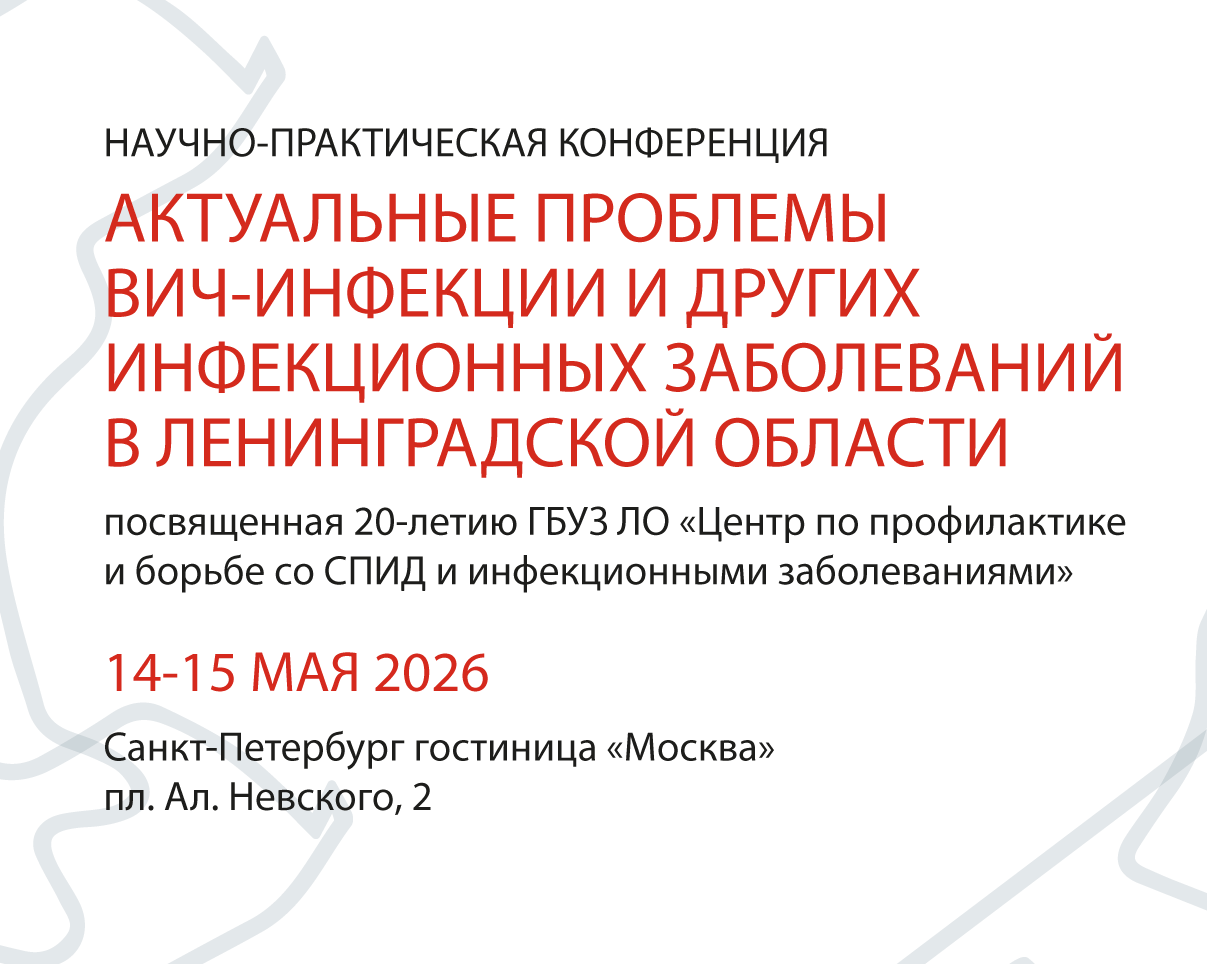
14-15 мая 2026 года в Санкт-Петербурге состоится Научно-практическая конференция «Актуальные проблемы ВИЧ-инфекции и других инфекционных заболеваний в Ленинградской области», посвященная 20-летию ГБУЗ ЛО «Центр по профилактике и борьбе со СПИД и инфекционными заболеваниями».


2026-04-28

1 – 2 октября 2026 года состоится XI Санкт-Петербургский форум по ВИЧ-инфекции с международным участием
Представители профессионального сообщества, объединения пациентов и общественных организаций вновь встретятся на площадках форума для обсуждения современных аспектов профилактики, диагностики и лечения ВИЧ-инфекции.


2026-04-03

ВАК утвердил «Белый список»: единый стандарт для научных публикаций

2 апреля 2026 г. на пленарном заседании Высшей аттестационной комиссии (ВАК) под председательством вице-президента РАН академика Владислава Панченко произошло знаковое событие для российской науки. Был утвержден Единый государственный перечень научных изданий (ЕГПНИ), который уже называют «Белым списком». Он станет единым обязательным стандартом для публикации результатов диссертационных исследований при соискании ученых степеней кандидата и доктора наук.


2026-03-16

XIII Всероссийская конференция с международным участием «Актуальные вопросы доклинических и клинических исследований лекарственных средств и клинических испытаний медицинских изделий»

23-24 апреля 2026 года в Санкт-Петербурге состоится XIII Всероссийская конференция с международным участием «Актуальные вопросы доклинических и клинических исследований лекарственных средств и клинических испытаний медицинских изделий».
More Announcements...